

Study finds frozen platelets safe, but liquid still best for routine surgery
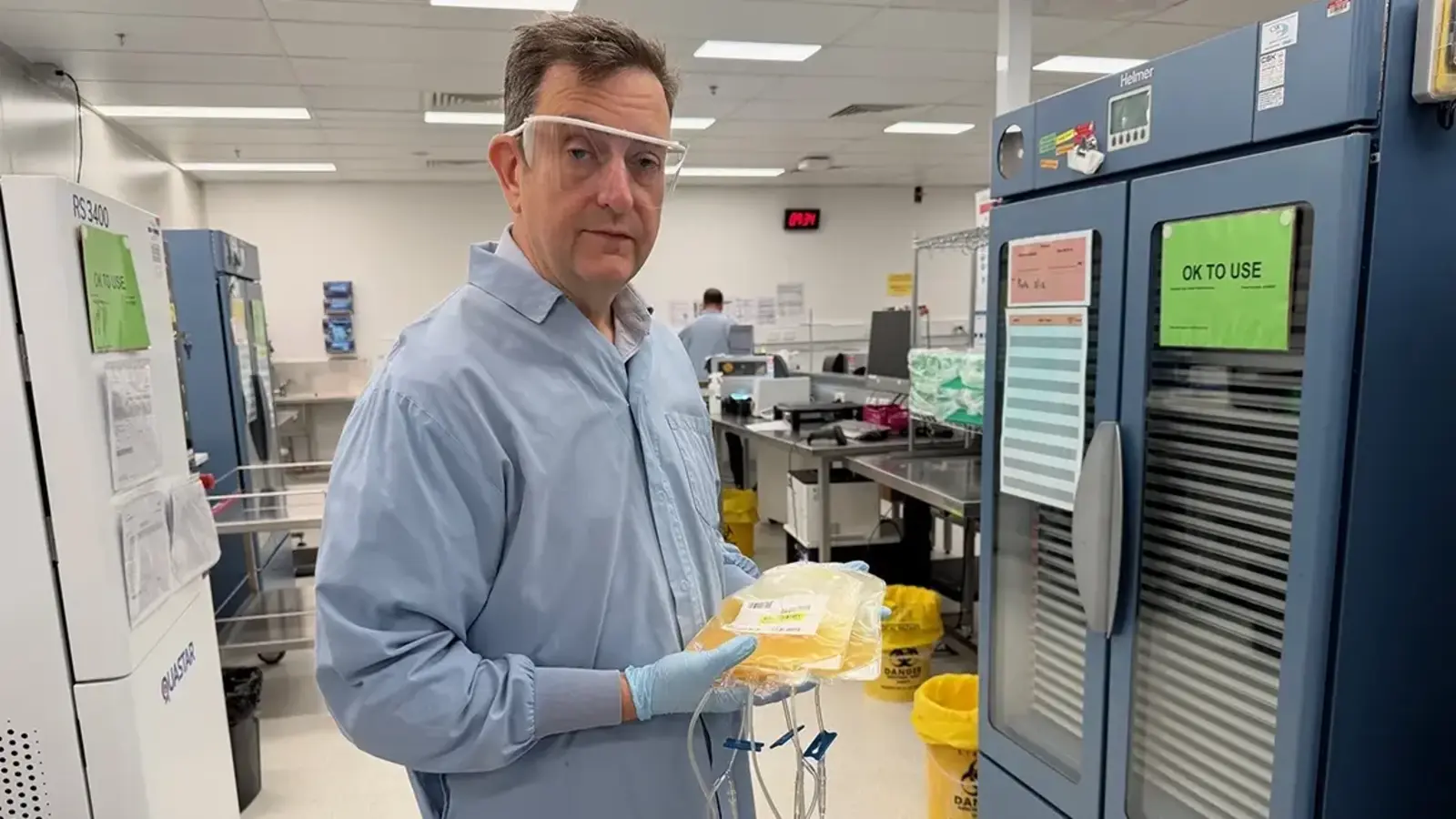
A major Australian clinical trial led by the University of Queensland (UQ) director, FANZCA Professor Michael Reade, has confirmed that frozen (cryopreserved) blood platelets are safe to use in adult cardiac surgery, while also clarifying that they are not as effective as standard liquid-stored platelets for routine bleeding control.
The study was conducted with support from Monash University and the Australian Defence Force, funded by the National Health and Medical Research Council, Australian Red Cross Lifeblood, and the Australian Defence Force through its long-standing partnership with UQ (2011–2022).
CLIP-II trial began recruitment in August 2021 and completed in April 2024, enrolling patients at high risk of bleeding across 11 Australian hospitals. In total, 388 patients were randomised, with 202 receiving study platelets.
Patients received either cryopreserved platelets (stored at –80°Celsius) or conventional liquid-stored platelets. While 24-hour postoperative bleeding did not differ significantly, frozen platelets did not meet the prespecified noninferiority threshold. Patients who received cryopreserved platelets had greater intraoperative and total blood loss, required more transfusions of other blood products, and spent longer in intensive care and hospital. Rates of serious adverse events were similar in both groups.
Professor Reade said the results help clarify the role of frozen platelets in clinical practice. He said conventional liquid-stored platelets remain the standard of care for cardiac surgery, but that cryopreserved platelets appear safe and may be life-saving when no other option is available, particularly in rural and remote locations or in military and disaster settings.
Unlike liquid platelets, which last only five to seven days, frozen platelets can be stored for up to two years, improving availability and reducing wastage.
A parallel study is under way in New Zealand led by Dr Shay McGuinness and Associate Professor Rachael Parke with funding from the NZ Health Research Council.
CLIP-II is endorsed by the Australian and New Zealand Intensive Care Society, the ANZCA Clinical Trials Network, and the Australian and New Zealand Society of Cardiac and Thoracic Surgeons, and was published in the Journal of the American Medical Association and presented at the Critical Care Reviews conference in Melbourne.
The study builds on the CLIP-1 trial published in Transfusion, co-funded and supported by the ANZCA Foundation.
Image showing Professor Reade holding blood platelets supplied by University of Queensland


Last modified: